Why Home Design Matters More Than You Think: The Psychology Behind a Space That Feels Right
Home design is not a cosmetic decision — it's a wellbeing decision. Research in environmental psychology and neuroarchitecture shows that light, materials, layout, and connection to nature measurably affect stress hormones, sleep quality, focus, and emotional resilience. For Scottsdale and Phoenix homeowners, this means the home you choose — or the renovations you invest in — should be evaluated not only for resale value, but for how the space will actually make you feel every day you live in it.
How Does Home Design Actually Affect Mental Health?
The connection between the built environment and emotional wellbeing isn't a wellness trend — it's a documented field of study. Environmental psychologists describe the home as an active participant in how occupants feel, function, and recover, not a passive backdrop to daily life.
A few of the clearest, most consistent findings:
- Natural light regulates mood and circadian rhythm. Morning-facing rooms and generous glazing support alertness during the day and better sleep at night.
- Clutter and chaotic layouts elevate cortisol. Disorganized, visually noisy spaces keep the nervous system in a low-grade state of alert.
- Nature exposure lowers stress and improves concentration. One University of Exeter study found that people working in environments with natural elements — plants, natural light, greenery — reported meaningfully higher wellbeing than those without.
- A sense of personal control matters. Homes that let occupants adjust light, temperature, and layout to their own preferences correlate with lower reported stress.
This emerging field — sometimes called neuroarchitecture — combines neuroscience, architecture, and psychology to explain why certain homes feel instantly calming while others, despite being beautifully finished, never quite settle the mind.
Why Should Buyers and Sellers in Scottsdale and Phoenix Care?
Because in a luxury desert market, design isn't separate from value — it is part of the value. Buyers touring homes in Anthem, Desert Mountain, and Paradise Valley are increasingly discerning enough to sense, even if they can't name it, whether a home feels restorative or simply photographs well. The Global Wellness Institute now projects the wellness real estate sector — homes purpose-built around occupant health — will exceed $1 trillion by 2029, a signal that "feel" is becoming as marketable as square footage.
For sellers, this has practical implications:
Design Element | Wellbeing Benefit | Desert-Specific Application |
|---|---|---|
Natural, layered light | Mood regulation, better sleep | North-facing living areas to soften harsh Sonoran sun; dimmable warm-toned evening lighting |
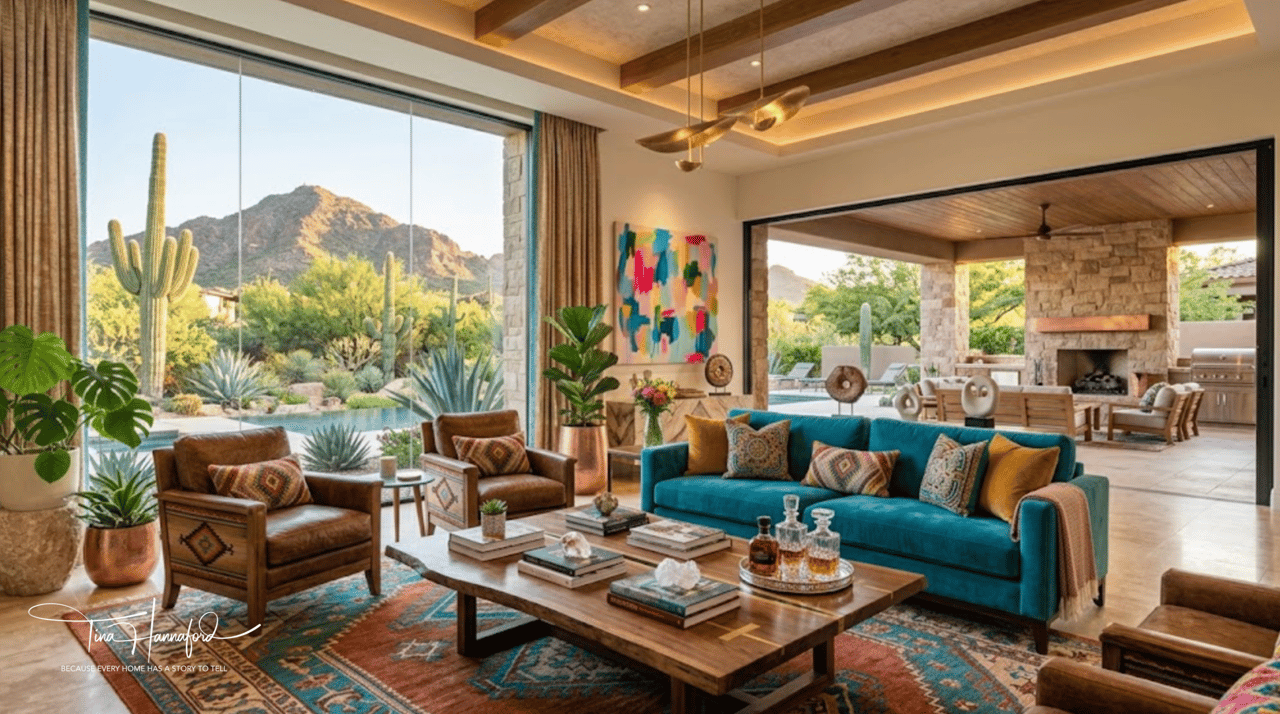
Indoor-outdoor flow | Nature connection, stress reduction | Covered patios, disappearing glass walls, courtyard transitions |
Acoustic comfort | Lower cortisol, easier focus | Sound-dampening materials against monsoon season and tile-heavy interiors |
Uncluttered, intentional layout | Reduced cognitive load | Defined zones for rest, work, and gathering rather than open-plan sprawl |
Air quality systems | Physical and cognitive clarity | HEPA/ERV filtration suited to dust and pollen cycles unique to the Valley |
Biophilic materials | Emotional grounding | Native stone, warm wood tones, desert-adapted greenery indoors and out |
Does This Mean I Have to Renovate Before Selling?
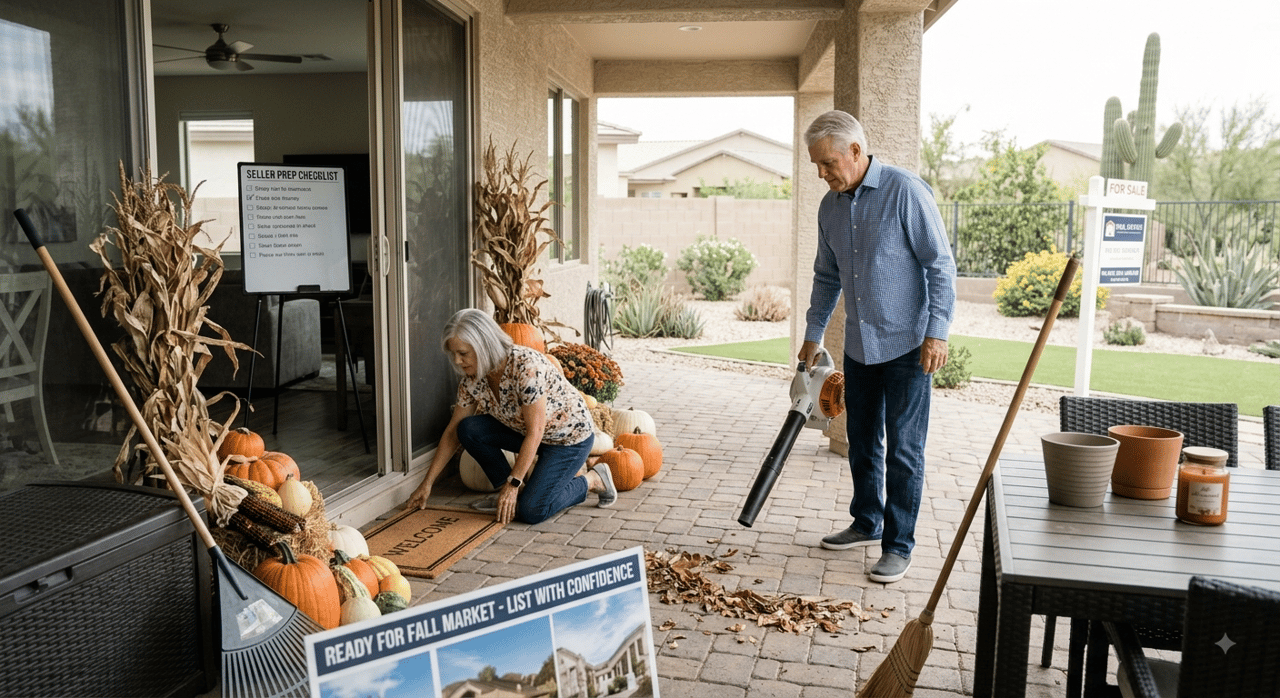
Not necessarily — and this is where a "Second Chance" approach matters. A home that has sat on the market or expired without offers often isn't failing on price; it's failing to communicate feeling. Small, targeted interventions — decluttering a room's sightlines, correcting harsh lighting, opening a shaded courtyard back up to view — can shift how a buyer emotionally experiences a walkthrough without a full remodel.
For buyers, the opposite question applies: before committing to a home, it's worth asking whether the floor plan, light, and materials align with how you actually want to feel day to day — not just how the listing photos looked.
The Bigger Picture: Designing a Home Around How You Want to Live
The strongest argument for taking home design seriously isn't aesthetic — it's personal. You spend the majority of your waking and sleeping hours inside your home. A space engineered around your own nervous system — enough light, enough quiet, enough nature, enough order — isn't indulgence. It's infrastructure for how well you function everywhere else in your life.
That's the lens worth bringing to your next move in the Scottsdale or Phoenix market: not just "will this home sell well," but "will this home let me live well."
About the Author: Tina Hannaford is a Luxury Collection Specialist and CLHMS Guild-designated agent with Berkshire Hathaway HomeServices Arizona Properties, specializing in the Greater Phoenix and Scottsdale luxury market and in repositioning expired and hard-to-sell listings through narrative-driven marketing and strategic pricing.